
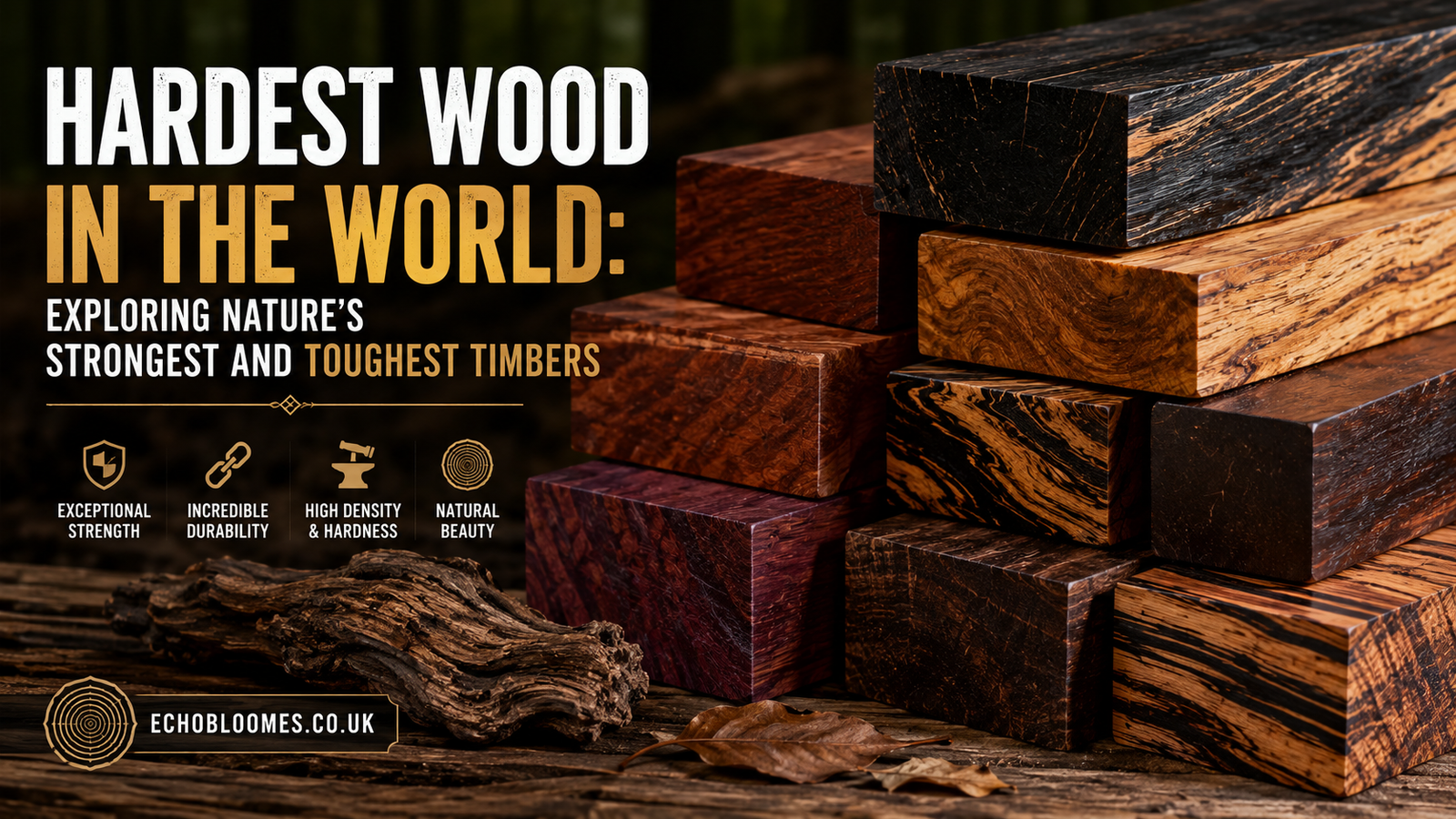
The phrase “hardest wood in the world” refers to the species of trees that produce timber with the highest resistance to denting, scratching, and wear. These woods are not only fascinating from a scientific perspective but also highly valuable in construction, flooring, tool-making, and luxury woodworking. Hardness in wood is usually measured using standardized tests that evaluate how much force is required to press a steel ball into the wood surface. The higher the resistance, the harder the wood is considered Hardest wood in the world.
Understanding the hardest woods on Earth is important because it helps builders, engineers, and designers choose materials that can withstand extreme conditions. However, hardness alone does not determine overall strength or usability. Some of the hardest woods are extremely difficult to cut, shape, or polish, making them both impressive and challenging to work with. In this article, we explore what makes wood hard, which species rank among the toughest, and how these materials are used in real-world applications.
Understanding Wood Hardness
Hardest wood in the world is primarily determined by density, grain structure, and how tightly the fibers are packed together. Denser woods tend to be harder because their fibers resist compression more effectively. However, hardness is not the same as strength. A piece of wood may be hard but brittle, or strong but relatively soft. This distinction is important when selecting wood for specific purposes like flooring or construction.
Natural conditions also play a major role in determining hardness. Trees that grow slowly in harsh climates often develop denser wood because their growth rings are tightly packed. Soil quality, rainfall, and temperature all influence the final characteristics of the timber. As a result, tropical hardwoods are often among the hardest in the world due to intense competition and slow growth patterns in dense forests.
How Wood Hardness Is Measured
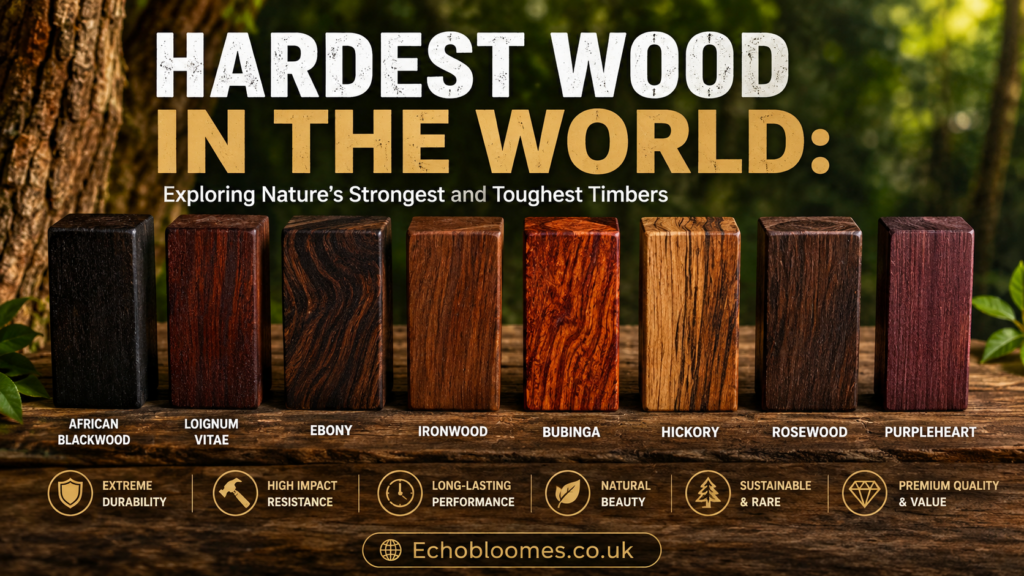
The most widely used method for measuring wood hardness is the Hardest wood in the world, which calculates the force required to embed a steel ball into a piece of wood. The higher the Janka rating, the harder the wood. This system allows scientists and manufacturers to compare different wood species objectively.
Other testing methods may also evaluate compression strength, impact resistance, and abrasion durability. However, Janka hardness remains the industry standard for ranking the hardest wood in the world. These measurements help industries choose the right wood for flooring, tool handles, and heavy-duty applications where durability is essential.
Hardest Woods in the World
Some of the Hardest wood in the world come from tropical regions and are known for their extreme density and durability. Examples include Australian Buloke, Lignum Vitae, and Snakewood. These species consistently rank at the top of hardness charts, making them highly sought after but also difficult to process.
The hardest wood in the world, Australian Buloke, is often cited for its exceptionally high Janka rating. Its dense structure makes it incredibly resistant to wear, but it is also challenging to cut and shape. Lignum Vitae, another legendary hardwood, is known for its self-lubricating oils, which make it valuable in marine applications. Snakewood is prized for its unique appearance and extreme hardness, often used in decorative items and specialty tools.
Geographic Origins of Hard Woods
The Hardest wood in the world in the world are commonly found in tropical and subtropical regions such as South America, Africa, and Australia. These environments encourage slow tree growth due to competition for sunlight, nutrients, and space. As a result, the trees develop extremely dense and compact wood structures.
In contrast, temperate regions typically produce softer hardwoods because trees grow faster and under less competitive conditions. This difference explains why exotic hardwoods from rainforests are often more valuable and harder than those found in cooler climates.
Characteristics of the Hardest Wood in the World
The Hardest wood in the world share several defining characteristics, including extreme density, tight grain patterns, and high resistance to physical damage. These woods are often so dense that they sink in water, which is a clear indicator of their compact fiber structure.
In addition to physical toughness, many of these woods are naturally resistant to rot, insects, and moisture. This makes them ideal for outdoor use, especially in marine environments where exposure to water and humidity is constant. However, their density also makes them difficult to dry and process without specialized equipment.
Uses and Applications
The hardest wood in the world is widely used in applications that demand long-lasting durability. In construction, it is used for heavy flooring, structural supports, and outdoor decking. Its resistance to wear makes it ideal for high-traffic areas where softer woods would quickly degrade.
In luxury furniture and decorative design, these woods are prized for their beauty and longevity. However, artisans often face challenges working with them due to their extreme hardness, which can quickly dull cutting tools. In industrial applications, they are used for bearings, tool handles, and marine components where strength and stability are critical.
Advantages and Disadvantages of Extremely Hard Woods
One of the biggest advantages of the Hardest wood in the world is their exceptional durability. They can last for decades or even centuries without significant wear, making them a long-term investment for builders and designers. Their natural resistance to pests and decay also reduces maintenance needs over time.
However, these benefits come with drawbacks. Extremely hard woods are difficult to cut, shape, and install, often requiring specialized tools and skilled labor. They are also expensive and sometimes environmentally sensitive due to slow growth rates and limited availability. These factors make them less practical for everyday use despite their impressive qualities.
Environmental and Sustainability Considerations
Many of the hardest woods in the world come from slow-growing trees, which makes them vulnerable to overharvesting. Unsustainable logging practices can lead to deforestation and ecological imbalance, particularly in tropical regions.
To address these concerns, sustainable forestry practices and certification systems have been developed. These ensure that wood is harvested responsibly and that forest ecosystems are preserved. In many cases, engineered wood products or alternative materials are used to reduce pressure on rare hardwood species.
Conclusion
The hardest wood in the world represents a remarkable achievement of nature, combining density, durability, and resistance in ways that few other materials can match. From Australian Buloke to Lignum Vitae, these woods demonstrate how environmental conditions shape extraordinary natural resources. While their strength makes them highly valuable, their scarcity and processing challenges remind us of the importance of sustainable use.
Ultimately, choosing the right wood is not just about hardness but about balance—between performance, cost, and environmental responsibility. Understanding these factors allows us to appreciate the true value of the world’s toughest timbers.
You may read: Trevin jirak